The Rise of Foldable Devices: Trends and Predictions
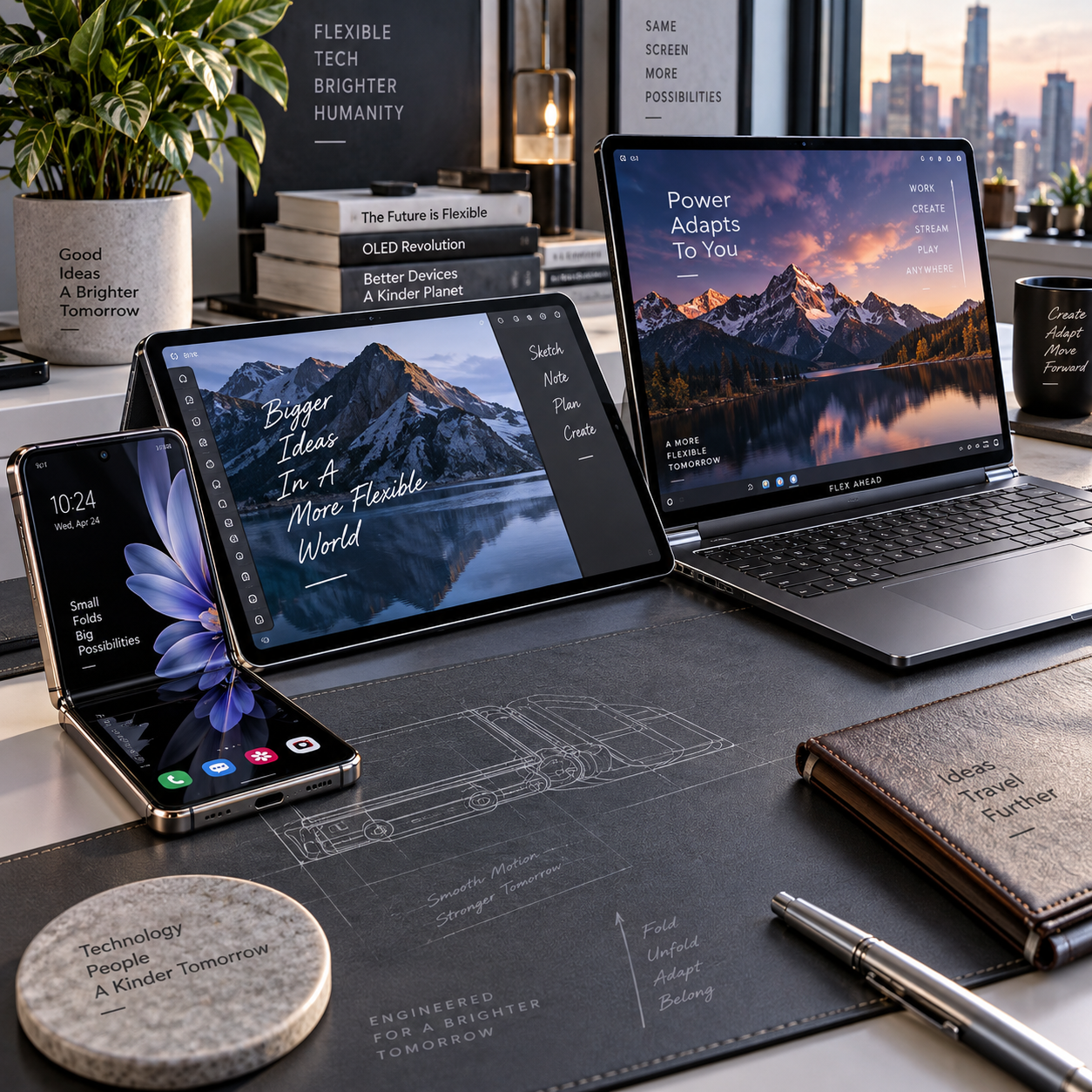
Foldable devices have moved from experimental technology to a growing category of consumer electronics. Foldable smartphones now compete with conventional phones, while foldable tablets and laptops offer larger displays without the footprint of traditional hardware. Their appeal is clear: one device can change shape to suit communication, entertainment, multitasking, or work.
Yet the category still involves trade-offs. Flexible OLED displays, hinge mechanisms, battery life, screen durability, repair costs, and software support all affect the everyday experience. Understanding those factors makes it easier to separate useful innovation from marketing hype.
What Are Foldable Devices and Why Are They Gaining Attention?
Foldable devices use flexible OLED displays and specialized hinge mechanisms to change between compact and expanded forms. Consumers and manufacturers are interested because foldables combine smartphone portability with a larger usable screen.
A flexible OLED display can bend because it uses thin, organic light-emitting layers rather than the rigid glass structure found in most conventional screens. The display sits above protective layers and connects to a hinge that controls how the device opens, closes, and distributes pressure.
Several forces are driving attention:
- More screen space: A folded phone can open into a small tablet-like display for documents, video, or split-screen apps.
- Portability: Flip-style models reduce the length of a phone, making it easier to store in a pocket or small bag.
- Productivity: Larger screens support multitasking, document editing, video calls, and research.
- Product differentiation: Manufacturers can offer new designs in a mature smartphone market.
The technology remains young compared with standard smartphones. That means each generation can bring noticeable improvements, but early buyers must accept more design complexity and a narrower repair network.
The Main Types of Foldable Devices
The main foldable formats are book-style smartphones, flip phones, foldable tablets, and foldable laptops. Each format solves a different portability or productivity problem, so the best choice depends on how the device will be used.
Book-style foldable smartphones
These phones open like a book. When closed, they function as a conventional handset; when opened, they provide a wider display for reading, navigation, gaming, email, and multitasking. They suit users who want one device for communication and light tablet work.
The compromise is size and weight. A book-style foldable usually costs more than a comparable standard phone and may feel thick when closed. Its inner screen can also require more careful handling.
Flip-style foldable smartphones
Flip phones fold vertically, reducing the phone's height while preserving a familiar smartphone screen when open. A cover display can show notifications, music controls, weather, or camera previews without requiring the phone to open.
This design emphasizes portability and convenience rather than tablet-style productivity. It is attractive to users who value compact storage, but the smaller external screen may limit what can be done while the phone is closed.
Foldable tablets and laptops
Foldable tablets can provide a large working or entertainment surface that becomes easier to carry when folded. Foldable laptops use a flexible display, sometimes with a detachable or virtual keyboard, to move between laptop and tablet modes.
These products can help mobile professionals, students, and frequent travelers. However, keyboards, protective cases, operating-system support, and weight remain important practical considerations. A large foldable display is useful only when the software and accessories support the intended workflow.
Key Trends Shaping the Foldable Device Market
The strongest foldable trends involve tougher displays, slimmer hinges, better software, improved cameras, and more efficient batteries. These developments aim to make foldables behave less like experimental hardware and more like dependable everyday devices.
- Flexible OLED improvements: Manufacturers are refining protective layers, touch sensors, brightness, and crease visibility. The crease may become less noticeable, although completely eliminating it is difficult.
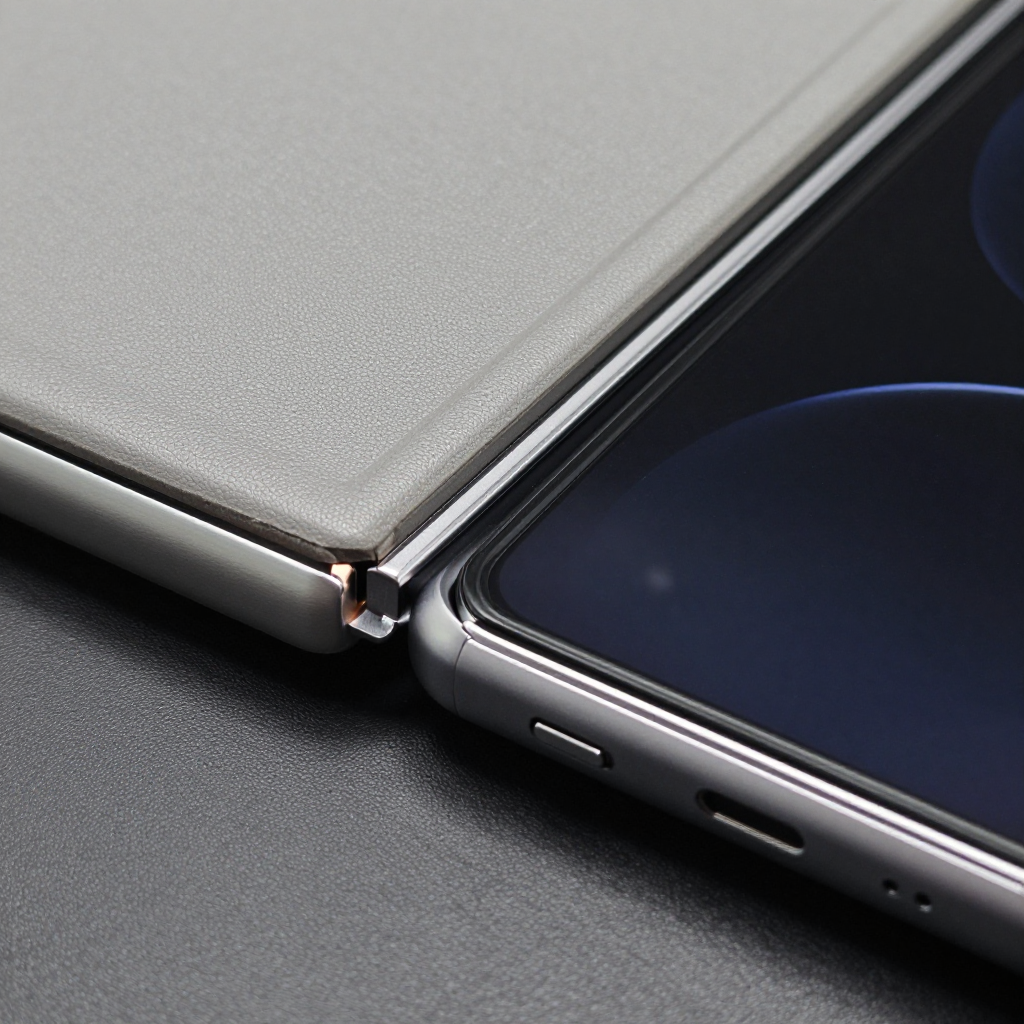
- More capable hinge designs: New hinges can reduce the gap between folded halves, control the opening angle, and limit stress on the display. Complex hinges may improve usability while making repairs more specialized.
- Software optimization: Android and other operating systems increasingly support app continuity, split-screen layouts, floating windows, and taskbars. App developers still need to optimize interfaces for unusual aspect ratios.
- Multitasking features: Larger inner screens make it practical to run two or three apps together, drag content between windows, or use one half of a device for controls and the other for viewing.
- Camera development: Foldables can use multiple viewing angles for hands-free photos and video calls. Their slim bodies may still restrict sensor size compared with the largest conventional phones.
- Battery performance: Dual-cell designs and more efficient processors can help offset the energy demands of large displays. Bigger screens still consume more power when used continuously.
These are established directions rather than guarantees of identical progress across every model. A new hinge may improve durability but increase weight, while a thinner body may leave less room for battery capacity.
Benefits and Current Limitations
Foldable devices offer more usable screen area and flexible form factors, but they still carry higher costs and greater mechanical complexity. The right evaluation compares practical benefits with the conditions required to protect them.
Where foldables work well
- Reading documents, web pages, maps, and spreadsheets on a larger display.
- Using split-screen multitasking for messaging, notes, browsing, or video calls.
- Carrying a tablet-like screen without carrying a separate tablet.
- Taking hands-free photos or video by partially folding the device.
- Using a compact folded profile in pockets, bags, or crowded travel spaces.
Where compromises remain
Screen durability has improved, but flexible inner displays may be more sensitive to sharp objects, heavy pressure, dust, and liquid than hardened glass screens. The hinge can also collect debris or suffer damage after a drop.
Creases remain visible on many models, particularly at certain viewing angles. Foldables can also be heavier, thicker, and more expensive than standard devices with similar processors and cameras. Repairability is another concern: replacing a flexible display or hinge assembly may require specialized equipment and can approach a substantial share of the device's original price.
Choosing a foldable for its larger display means accepting more care requirements. Choosing a conventional phone usually means giving up some screen flexibility but gaining simpler protection, broader repair availability, and often better value.
Foldables and Device Support: What Owners Need to Know
Foldable device support depends on careful handling, current software, suitable accessories, and professional repair when hardware damage occurs. Owners should treat the hinge and inner display as precision components rather than ordinary phone surfaces.
Everyday care
- Keep keys, coins, sand, and grit away from the inner display before closing the device.
- Use the manufacturer's cleaning instructions and avoid applying strong pressure to the flexible screen.
- Do not force a hinge open or closed if it feels rough, uneven, or blocked.
- Use a case designed for the exact model, especially one that protects the hinge without interfering with movement.
- Keep liquid away from openings even when a model has a water-resistance rating; resistance is not permanent or universal.
Software and troubleshooting
Install operating-system and app updates because foldable software support can improve screen layouts, app continuity, camera behavior, and battery management. If an app displays incorrectly, update it, restart the device, check display settings, and test another app before assuming the screen is defective.
For battery complaints, review screen brightness, refresh-rate settings, background apps, and wireless connectivity. A large inner display naturally uses more power during video playback or multitasking. Sudden heating, screen flickering, a persistent black line, hinge resistance, or a display that separates from its frame requires professional assessment.
Warranty and repairs
Check whether the warranty covers the inner screen, hinge, accidental damage, and liquid exposure. Manufacturer service centers are usually the safest option for display or hinge work because replacement parts and calibration may be model-specific. Independent repair can cost less, but confirm technician experience, part quality, data privacy procedures, and warranty coverage before authorizing work.
Predictions for the Future of Foldable Technology
Future foldable technology will probably focus on durability, thinner designs, better software, broader device categories, and lower ownership costs. The timing and scale of these changes remain uncertain because they depend on manufacturing yields, consumer demand, and repair economics.
Displays are likely to become brighter and more resistant to everyday wear. Hinge mechanisms may become thinner and more enclosed, reducing dust exposure and the gap between folded halves. Engineers will also continue balancing thinness against battery capacity, cooling, camera hardware, and structural strength.
Software should become more consistent across phone, tablet, and laptop modes. Better window management, continuity between external and internal screens, and artificial-intelligence features could make larger foldable displays more useful. The benefit will depend on app support; a flexible screen cannot fix an application with a poorly designed interface.
Foldable technology may expand beyond smartphones into larger tablets, laptops, vehicle displays, portable monitors, and specialized business equipment. Prices could fall as production becomes more efficient, but premium components and repair costs may keep some models expensive for years.
One likely shift is greater attention to the complete ownership cycle. Manufacturers may publish clearer repair options, offer hinge and screen protection plans, and design components for easier replacement. That outcome is desirable, though it is not guaranteed by thinner hardware alone.
Should You Buy a Foldable Device Now?
Buy a foldable device now if its specific form factor solves a daily problem and you can accept higher cost and more careful maintenance. Wait for a later generation if durability, low repair cost, or maximum battery life matters more than screen flexibility.
Use this practical decision framework:
- Identify the repeated benefit. Will you read, multitask, create content, or travel with the larger screen several times each week? If the answer is no, the novelty may not justify the price.
- Set a total ownership budget. Include the case, screen protection, insurance, accessories, and possible out-of-warranty repair rather than comparing only retail prices.
- Check software compatibility. Review the apps you rely on for work, banking, gaming, and communication. Confirm that they support the device's inner and outer screens.
- Assess your environment. Construction dust, beaches, frequent drops, or rough outdoor use may favor a conventional rugged phone.
- Verify support locally. Find an authorized service center and check parts availability before buying.
A foldable is a strong choice for people who actively need adaptable screen space. It is a weaker choice for buyers seeking the lowest cost, simplest repair, or maximum resistance to abuse. Compare the device's daily utility with its support requirements, and the decision becomes much clearer.
Frequently Asked Questions
Are foldable devices durable enough for everyday use?
Many current foldable devices are designed for daily use, but their flexible displays and hinges require more care than conventional phones. Durability varies by model, usage, case quality, and exposure to dust, drops, and pressure.
What are the most common problems with foldable phones?
Common concerns include visible creases, hinge debris, inner-screen damage, software layout issues, faster battery drain during large-screen use, and expensive repairs after accidental damage.
Are foldable devices difficult or expensive to repair?
They can be. Flexible OLED panels and hinge assemblies are specialized parts, and repair often requires trained technicians. Check warranty terms, insurance, authorized service availability, and replacement costs before purchase.
Do foldables offer better productivity than standard smartphones?
They can offer better productivity when you regularly use split-screen apps, edit documents, manage email, or read on a larger display. A standard smartphone may remain more practical if your tasks are mostly messaging, calls, and quick browsing.
What improvements can consumers expect from future foldable devices?
Likely improvements include tougher flexible OLED displays, slimmer hinges, longer battery life, better app optimization, lower prices, and more repair options. These are industry trends rather than guaranteed specifications or release promises.