How AI Is Revolutionizing Consumer Electronics: Innovations and Impact
Introduction to AI in Consumer Electronics
Artificial intelligence (AI) plays a transformative role in consumer electronics by enabling devices to learn, adapt, and interact intuitively with users. It integrates with gadgets like smart speakers, wearables, and IoT devices to enhance their capabilities beyond traditional functions.
In consumer electronics, AI shifts devices from static tools to intelligent companions that anticipate needs, personalize interactions, and automate complex tasks. This evolution reshapes how we engage with technology daily.
Key AI Technologies Driving Change
Machine learning and predictive analytics are core AI technologies revolutionizing consumer electronics by allowing devices to analyze user data and improve functionality over time. These technologies enable smart devices to recognize patterns, forecast behavior, and optimize performance autonomously.
Machine learning algorithms process vast amounts of data from sensors and user inputs to refine device responses. Predictive analytics anticipate user needs, such as adjusting thermostat settings before you arrive home or suggesting media content based on preferences. Combined with edge computing, these AI innovations reduce latency by processing data locally on devices, enhancing real-time responsiveness without relying solely on cloud infrastructure.
As AI-powered personalization advances, consumer electronics become more adaptable and user-centric, creating seamless experiences shaped by data-driven insights.
AI Enhancing User Experience
AI drastically improves user experience through personalization, voice control, and smarter user interfaces. Personalized AI tailors device settings, content recommendations, and notifications based on individual habits and preferences, making gadgets more intuitive and engaging.
Voice assistants like Alexa and Google Assistant provide natural language interaction, allowing users to control smart devices hands-free. This evolution in user interface (UI) innovation simplifies complex commands into conversational exchanges, making technology accessible even to non-expert users.
Beyond voice, AI enhances UI design with adaptive layouts and contextual prompts that anticipate user actions. For example, smart TVs suggest shows based on viewing history, while wearables monitor health metrics and provide customized feedback. Such AI-powered features bridge the gap between user intent and device response, delivering smoother and more personalized interactions.
Real-World Applications in Popular Gadgets
AI is embedded in popular consumer electronics such as smart speakers, wearables, and smart TVs, bringing tangible benefits to everyday life.
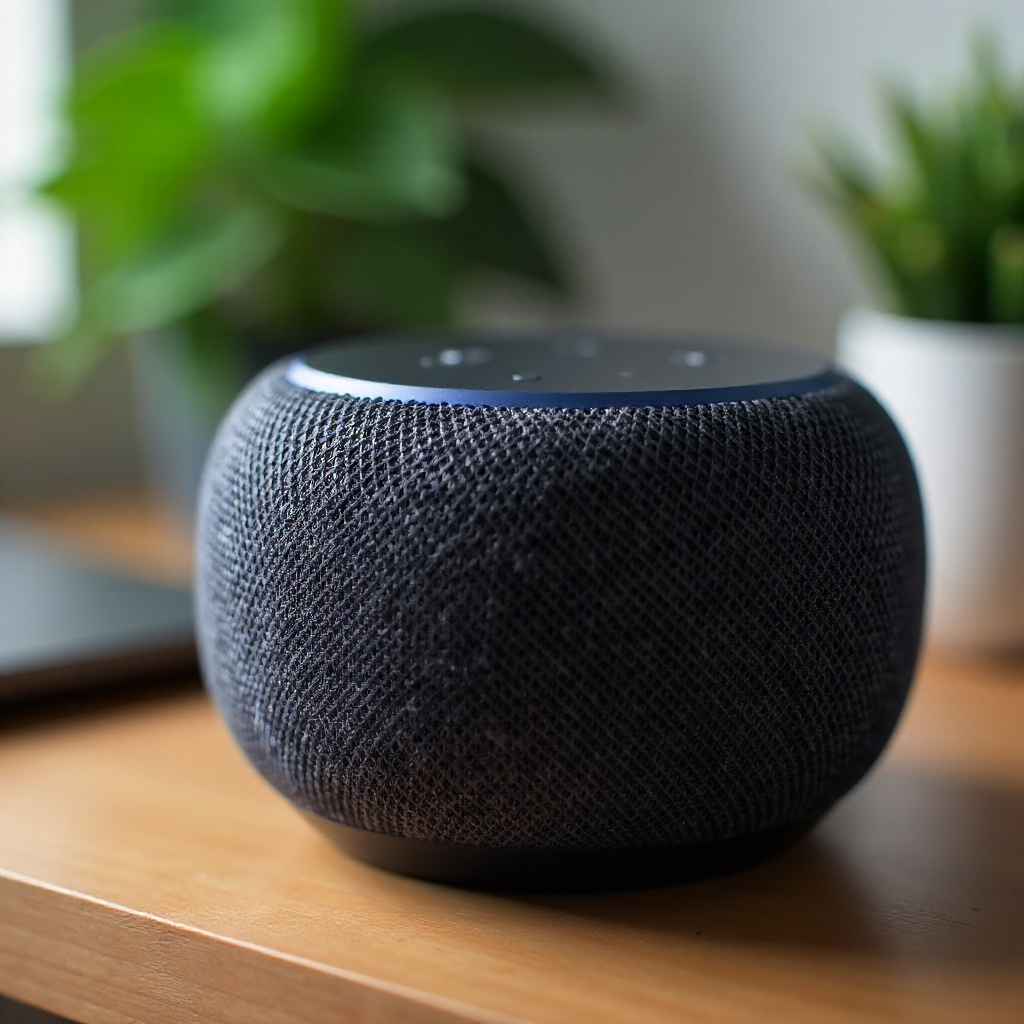
- Smart Speakers: Devices like Amazon Echo and Google Nest use AI-driven voice assistants to control home environments, stream content, and answer queries through natural language processing.
- Wearables: Fitness trackers and smartwatches incorporate AI algorithms to monitor heart rate, sleep quality, and activity levels, providing personalized health advice and alerts.
- Smart TVs: AI-powered TVs analyze viewing patterns to recommend programs, optimize picture settings dynamically, and enable voice-driven content searches.
These AI applications improve convenience, customization, and connectivity, forming the backbone of the growing Internet of Things (IoT) ecosystem that connects diverse devices for a unified user experience.
The Role of AI in Software and Hardware Development
AI is integral to both software and hardware innovation in the consumer electronics industry. On the software side, AI frameworks enable developers to embed intelligent features, from speech recognition to computer vision, enhancing device capabilities.
Hardware development benefits from AI through edge computing chips designed to process data locally with minimal power consumption, improving speed and efficiency. These AI-optimized processors empower gadgets to perform complex analyses without relying heavily on cloud connectivity, reducing latency and enhancing privacy.
AI also influences design decisions by simulating user interactions and predicting optimal component configurations, leading to smarter, more user-friendly products. This synergy between AI-driven software and dedicated hardware accelerates product innovation and sets new performance benchmarks.
Challenges and Ethical Considerations
Despite its benefits, AI integration in consumer electronics raises significant challenges and ethical concerns. Data privacy is paramount, as AI depends on continuous user data collection to function effectively, leading to potential misuse or unauthorized access.
Security risks also intensify with increased device connectivity, making consumer electronics vulnerable to hacking or exploitation. Responsible AI use requires transparent data policies, robust encryption, and user control over personal information.
Additionally, there are ethical questions around AI bias in personalization algorithms and the potential erosion of human agency when devices autonomously make decisions. Balancing innovation with accountability is critical to maintain consumer trust and ensure AI benefits society equitably.
Future Trends in AI and Consumer Electronics
The future of AI in consumer electronics is marked by emerging trends such as the rise of edge AI and deeper IoT integration. Edge AI will empower devices to handle intelligent processing locally, reducing dependency on cloud services and enhancing responsiveness.
IoT ecosystems will become more interconnected, with AI orchestrating seamless communication between smart home appliances, wearables, and personal gadgets, creating a unified digital environment.
Advancements in AI-powered predictive maintenance, energy-efficient AI algorithms, and natural user interfaces will continue shaping smarter, more sustainable electronics. These trends promise more autonomy, efficiency, and personalization for consumers in the near future.
Frequently Asked Questions
How does AI improve the functionality of smart home devices?
AI enhances smart home devices by enabling them to learn user behaviors and preferences, automate routine tasks, and respond to voice commands. This results in smarter climate control, lighting adjustments, security alerts, and personalized entertainment.
What are the privacy concerns with AI-powered consumer electronics?
Consumer electronics gathering data for AI processing risk exposing personal information if not properly secured. Concerns include unauthorized tracking, data breaches, and lack of user consent, necessitating stringent privacy safeguards.
Can AI make consumer electronics more energy efficient?
Yes, AI optimizes device operations by predicting usage patterns and adjusting power consumption accordingly, which extends battery life in wearables and reduces electricity usage in home appliances.
What’s the difference between AI on the cloud and edge AI in devices?
Cloud AI processes data on remote servers, offering vast computational power but incurring latency and privacy issues. Edge AI performs processing locally on the device, enabling faster responses and better data security at the expense of limited resources.
How is machine learning used to personalize user experiences?
Machine learning analyzes user interactions over time to identify preferences and habits, allowing devices to tailor content recommendations, interfaces, and functionalities that suit individual needs and contexts.
For further detailed insights into AI technologies, visit the Artificial Intelligence article on Wikipedia.