Best Budget-Friendly Tech Gadgets Under $100: Top Picks Worth Every Penny
Why Budget Tech Has Never Been Better
The gap between affordable gadgets and premium electronics has narrowed dramatically over the past five years. Fierce market competition — particularly from brands like Anker, Xiaomi, and Amazon's own hardware line — has pushed manufacturers to pack features once reserved for $200+ products into devices that cost a fraction of that.
A decade ago, a $50 pair of wireless earbuds meant tinny audio and a battery that died mid-commute. Today, that same budget buys you Bluetooth 5.3, decent passive noise isolation, and six-plus hours of playback. The same story plays out across smart home devices, USB-C accessories, and portable chargers.
This isn't about settling. It's about recognizing that value for money has become a genuine engineering achievement — and knowing where to look for it.
What to Look for Before Buying a Budget Gadget
Before adding anything to your cart, run through four quick checks that separate a smart buy from a disappointing one.
- Build quality signals: Look for reinforced cables, IPX water resistance ratings on earbuds, and metal or rubberized housing on portable accessories. Plastic isn't automatically bad — flimsy plastic is.
- Warranty coverage: A reputable brand will back a $40 product with at least a 12-month warranty. No warranty is a red flag, especially for electronics under $30.
- Compatibility: Check that USB-C accessories match your device's power delivery spec, that smart home devices work with your existing ecosystem (Google Home, Amazon Alexa, or Apple HomeKit), and that earbuds support your phone's Bluetooth codec.
- Review patterns: Ignore the star rating and read the one-star and three-star reviews. They reveal real failure points — battery degradation after 90 days, app crashes, poor customer service.
One honest caveat: budget gadgets usually make a trade-off somewhere. Great audio at $60 might mean average build quality. A $35 smart plug that works flawlessly might have a clunky app. Knowing the trade-off in advance makes it easier to decide whether it matters for your use case.
Best Budget Audio Gadgets Under $100
The sub-$100 audio category is the most competitive segment in consumer electronics right now, and buyers are the clear winners. You can find genuinely capable wireless earbuds and headphones at price points that would have been unthinkable in 2020.
Wireless Earbuds: $30–$70
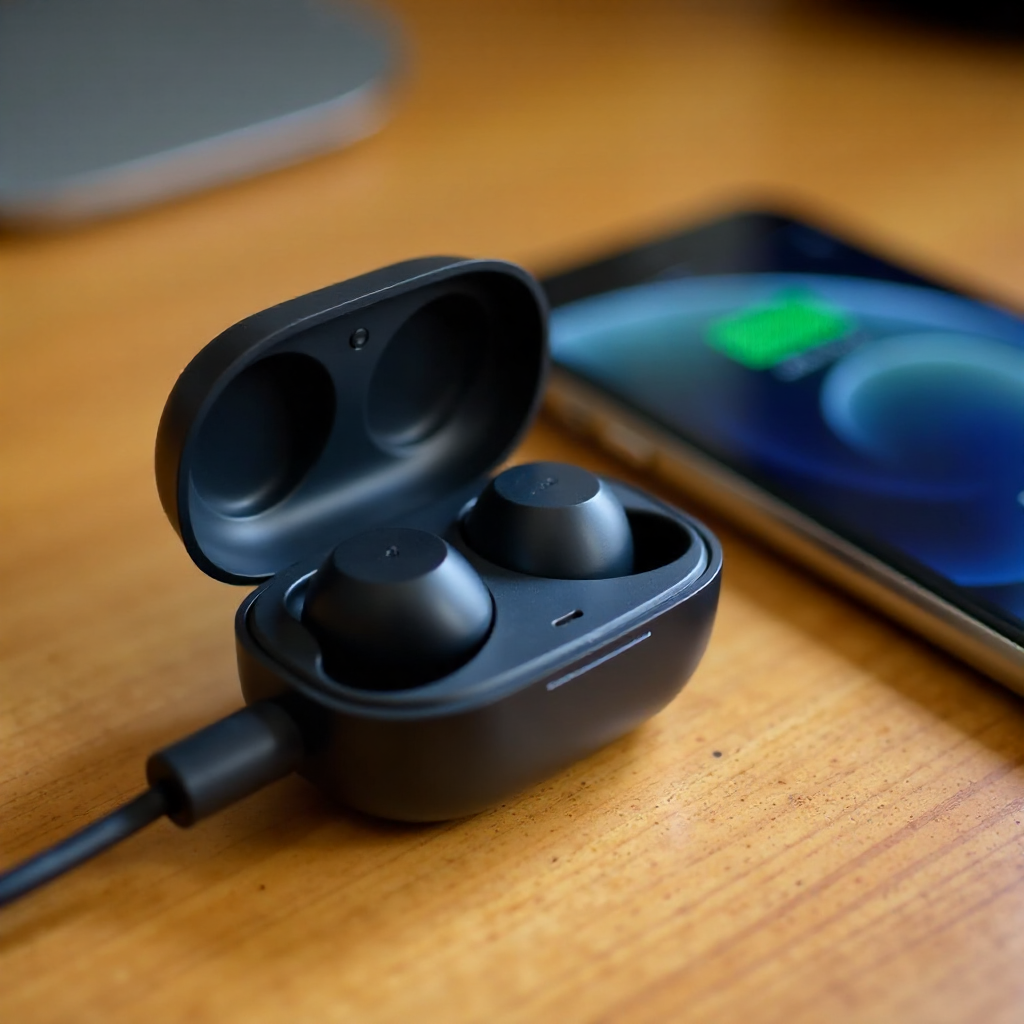
The Soundcore by Anker P3 (around $50–$60) consistently earns praise for its active noise cancellation performance at this price. It won't match Sony's WF-1000XM5, but it reduces ambient hum enough to matter on public transit or in an open office. Battery life sits at around 6 hours per charge with an additional 24 from the case.
If ANC isn't a priority and you just want clean sound, the 1More Piston Fit Pro (roughly $30–$40) delivers a balanced frequency response that audiophile forums frequently recommend as a first step into better audio. The trade-off is a less premium case and no wireless charging.
Over-Ear Headphones: $50–$90
For home listening or work-from-home calls, the OneOdio Monitor 60 (around $50) offers a wired/wireless hybrid design with a flat studio-style sound signature. It's bulky and the headband padding wears thin after a year of heavy use — but the audio clarity at this price is hard to argue with.
Best Smart Home Devices Under $100
Entry-level smart home tech is one of the easiest wins in the budget gadget space. A handful of devices costing less than $100 combined can meaningfully automate your home without requiring a hub or a degree in networking.
Smart Plugs: $10–$25
A smart plug is the lowest-friction entry point into home automation. The Kasa Smart Plug (EP25, around $15–$20) works with both Amazon Alexa and Google Home, supports energy monitoring, and requires no hub. You can schedule lamps, fans, or coffee makers to turn on automatically — a genuinely useful feature that most people start using daily within a week.
Smart Bulbs and Mini Speakers: $20–$80
The Govee Smart Bulbs (4-pack for around $25–$35) support 16 million colors and integrate with Alexa and Google Assistant. They're not as responsive as Philips Hue, and the app has occasional connectivity hiccups — but at roughly $7 per bulb, the price-to-performance ratio is hard to beat for accent lighting.
For audio in the home, the Amazon Echo Dot (5th Gen) sits at $50 and remains one of the best value smart speakers available. The sound is better than its size suggests, and its Alexa integration is genuinely deep if you're already in that ecosystem.
Best Productivity and Work-From-Home Gadgets Under $100
Remote workers and students have more affordable options than ever for upgrading their home setup. The right tools can meaningfully reduce friction in a workday without requiring a full desk overhaul.
USB Hubs and Docking Accessories
A quality USB-C hub is arguably the highest-impact purchase for anyone using a modern laptop. The Anker 7-in-1 USB-C Hub (around $35–$45) adds HDMI output, SD card slots, USB-A ports, and pass-through charging to a single-port MacBook or Chromebook. It's not a Thunderbolt dock — don't expect 8K video or 100W charging — but for everyday multitasking, it eliminates the frustration of dongles.
Webcams and Portable Keyboards
The built-in webcam on most laptops produces video quality that looks fine to you and noticeably grainy to everyone else on the call. The Logitech C920s (frequently on sale around $60–$70) shoots 1080p at 30fps with a decent autofocus and built-in stereo microphone. It's been a work-from-home staple for years and remains one of the best-reviewed webcams under $100 for good reason.
For those who work from coffee shops or travel frequently, a compact Bluetooth keyboard like the Keychron K3 Ultra-Slim (around $80–$90) offers a satisfying typing experience with multi-device pairing. It's a noticeable step up from typing on a tablet screen for extended sessions.
Best Portable and Everyday Carry Tech Under $100
On-the-go tech is where the under-$100 budget category genuinely shines. Power banks, compact chargers, and item trackers solve real daily problems at prices that make buying a backup unit easy to justify.
Power Banks and Chargers
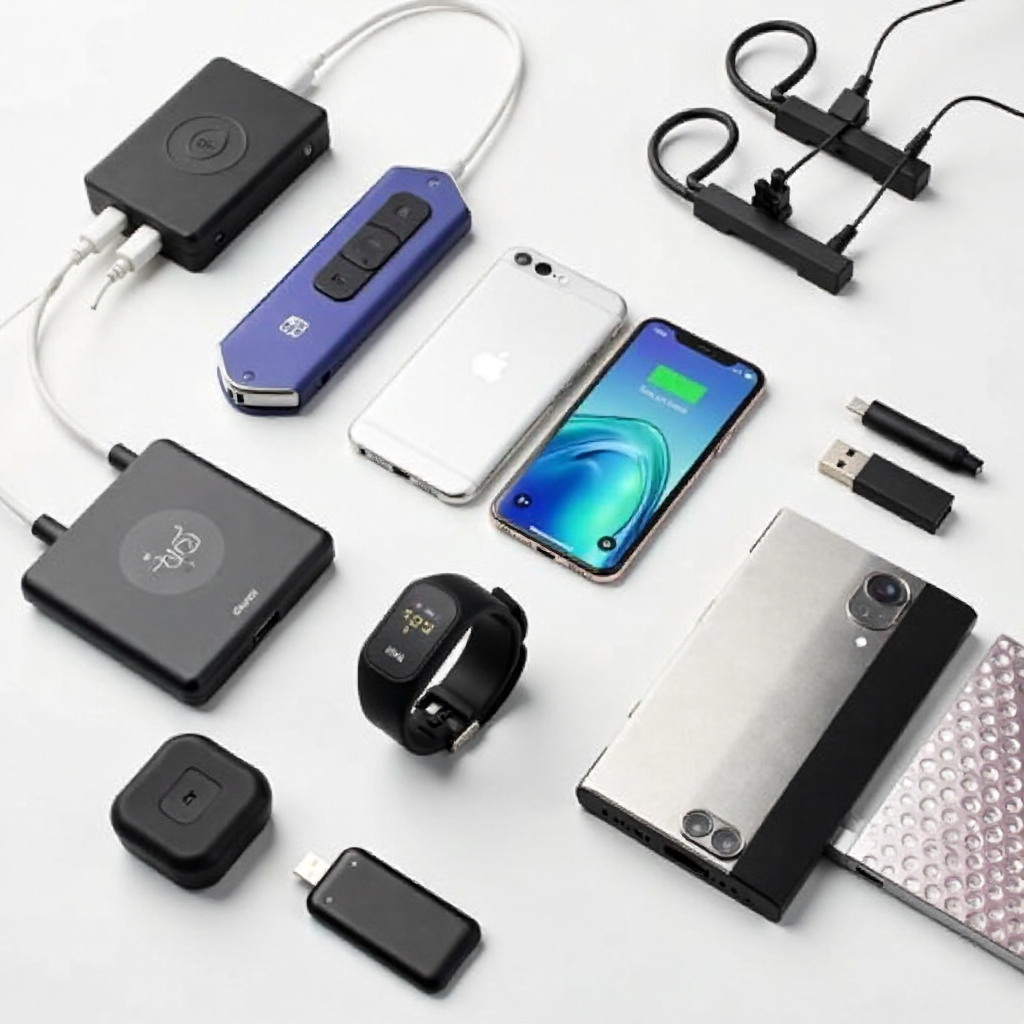
The Anker 737 Power Bank (140W, 24,000mAh) sits at the upper end of this budget at around $90–$100, but it's capable of charging a laptop, tablet, and phone simultaneously. For lighter needs, the Anker PowerCore Slim 10000 (around $25–$30) fits in a jacket pocket and delivers two full phone charges — the kind of thing you stop noticing because it just works.
A GaN (Gallium Nitride) wall charger is worth knowing about if you're still using the bulky brick that came with your laptop. Brands like Baseus and Ugreen offer 65W GaN chargers for $25–$40 that are roughly half the size of a standard adapter and support USB-C Power Delivery for fast charging across devices.
Tracking Accessories
The Tile Mate (around $25) and Samsung SmartTag2 (around $30) are compact Bluetooth trackers that attach to keys, bags, or wallets. They're not perfect — Bluetooth range is limited and they rely on a community network of other users to locate lost items — but for misplacing things around the house or in a car park, they work reliably enough to become a genuine daily carry item.
Final Tips for Getting the Most from Budget Tech
Buying smart matters as much as buying cheap. A few practical habits can significantly improve your experience with affordable gadgets.
Where to buy: Amazon, Best Buy, and B&H Photo all run predictable sales cycles. Black Friday and Prime Day are obvious, but mid-year clearance events in June and back-to-school promotions in August often offer better stock availability. For refurbished options, the manufacturer's own certified refurbished store (Anker Renewed, Apple Certified Refurbished) usually offers better quality control than third-party resellers.
When to spend slightly more: The jump from $40 to $70 often makes a bigger difference than the jump from $70 to $100. If a product you're considering has a mid-tier version at $20–$30 more, check whether it adds durability or a meaningful feature — not just a color option or a slightly larger case.
Firmware and app support: Budget smart home devices sometimes get abandoned by their manufacturers within two years. Check the app's last update date and user reviews mentioning software issues before committing to a device that depends heavily on cloud connectivity.
The best budget tech isn't about finding the cheapest option. It's about finding the point where price and usefulness genuinely intersect — and at under $100, that intersection is easier to reach than it's ever been.
Frequently Asked Questions
Are budget tech gadgets reliable or do they break quickly?
Reliability varies by brand and category. Established brands like Anker, Logitech, and Govee have strong quality control records even at budget price points. Lesser-known brands can be hit or miss. Checking warranty terms and reading review patterns (particularly complaints about longevity) before buying reduces the risk considerably.
What is the best budget tech gadget to buy as a gift?
A smart plug, a Bluetooth tracker, or a GaN charger works well as a tech gift because they're universally useful and don't require knowing the recipient's exact device setup. Power banks are another reliable choice — nearly everyone can use one and most people don't already have a great one.
How do I know if a cheap gadget is worth buying?
Look for a combination of brand reputation, verified purchase reviews on multiple platforms, and a clear warranty. If a product has thousands of reviews with a consistent 4.2–4.5 star average and the negative reviews mention cosmetic issues rather than functional failures, it's generally a safe buy.
Can budget earbuds really compete with premium brands?
In some areas, yes. Sound quality and battery life at the $50–$80 range have improved dramatically. Where budget earbuds still lag is in active noise cancellation depth, premium codec support (like LDAC or aptX Adaptive), and long-term durability. If those features matter to you, the gap remains real.
Where are the best places to find tech gadgets under $100?
Amazon is the most convenient with the widest selection, but RTINGS.com is an excellent resource for checking independent performance measurements before you buy. For deal tracking, Slickdeals and CamelCamelCamel (Amazon price history) help you avoid paying full price on items that go on sale regularly.